Retouch Academy Panel ✪
The RTOS of choice for professional developers

Developed by industry veterans, this panel transforms the way artists interact with their layers, channels, and masks. Here is why the Retouch Academy Panel has become a staple in studios worldwide.
The primary tool for professional retouchers. It organizes a non-destructive workflow into logical sections: basic cleanup, skin work (Frequency Separation), and final polishing. MUA (Makeup Artist) Retouch Panel:
Unlike manual creation, the panel adds a . This turns the image black and white or increases contrast temporarily so you can see exactly where the shadows and highlights need to be painted.
From that day on, Elara became the Academy’s most controversial retoucher. She never removed a scar, a wrinkle, or a cataract without asking the subject first. She started a new movement: Authentic Retouching . It was slower, harder, and less profitable. But her images had a weight to them, a breath of life that the “perfect” ones lacked.
The panel organizes all the essential tools—Frequency Separation, Dodge & Burn, and even custom actions—into one sleek interface. It doesn't do the work for you (you still need the skill!), but it removes the technical friction so you can focus on the creative.
Developed by industry veterans, this panel transforms the way artists interact with their layers, channels, and masks. Here is why the Retouch Academy Panel has become a staple in studios worldwide.
The primary tool for professional retouchers. It organizes a non-destructive workflow into logical sections: basic cleanup, skin work (Frequency Separation), and final polishing. MUA (Makeup Artist) Retouch Panel:
Unlike manual creation, the panel adds a . This turns the image black and white or increases contrast temporarily so you can see exactly where the shadows and highlights need to be painted.
From that day on, Elara became the Academy’s most controversial retoucher. She never removed a scar, a wrinkle, or a cataract without asking the subject first. She started a new movement: Authentic Retouching . It was slower, harder, and less profitable. But her images had a weight to them, a breath of life that the “perfect” ones lacked.
The panel organizes all the essential tools—Frequency Separation, Dodge & Burn, and even custom actions—into one sleek interface. It doesn't do the work for you (you still need the skill!), but it removes the technical friction so you can focus on the creative.
 PX5 RTOS, certified by SGS TÜV Saar, is a safety-certified real-time operating system designed for mission-critical applications in automotive, medical devices, and industrial automation. It meets the highest functional safety standards, including IEC 61508 SIL 4, IEC 62304 Class C, ISO 26262 ASIL D, and EN 50128 SW SIL 4.
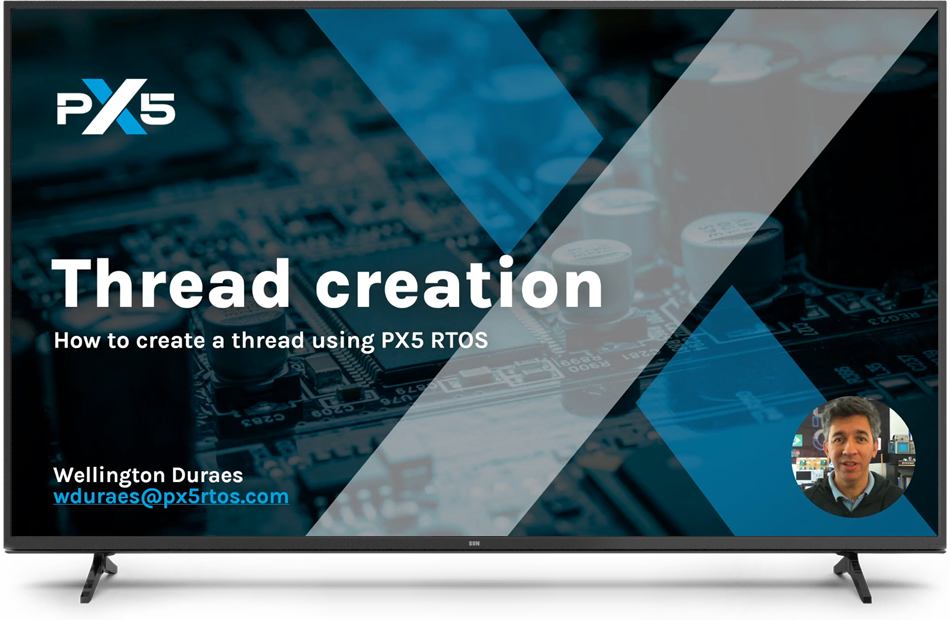
#include <pthread.h> int main() { /* Start PX5. */ px5_pthread_start(1, NULL, 0); /* Once px5_pthread_start returns, the C main function has been elevated to a thread - the first thread in your system! */ while(1) { /* PX5 RTOS API calls are all available at this point. For this example, simply sleep for 1 second. */ sleep(1); } }



Ask me about PX5 RTOS—its industrial-grade design, technical advantages, and why it’s trusted by embedded developers. 🚀